PNG%20copy%202%20(little%20touch%202).png)
Esslingen am Neckar: A Medieval Gem with a Modern Heart
- Tadas Svetikas

- Sep 29, 2025
- 3 min read
Updated: Jan 1

Nestled along the Neckar River just a few kilometers from Stuttgart, Esslingen am Neckar is one of Germany’s most enchanting towns. With its half-timbered houses, cobblestone streets, and Gothic churches, Esslingen feels like stepping into a storybook. Yet, behind its medieval charm lies a vibrant modern community that blends history with innovation.
Early Roots and First Mention
The area around Esslingen has been settled since prehistoric times, with traces of Roman villas and roads attesting to its early importance in the fertile Neckar valley. The city itself was first mentioned in written records in 777 CE, when the Frankish nobleman Hildi Bald donated an estate in Ezelinga (Esslingen) to the Abbey of Saint-Denis in Paris. This donation marks the first official documentation of Esslingen’s existence.
A Free Imperial City
Esslingen’s rise began in the High Middle Ages. By the 13th century, it was granted the status of a Free Imperial City, meaning it was directly under the authority of the Holy Roman Emperor rather than local rulers. This independence allowed the city to flourish as a trading hub. Its strategic position along trade routes brought merchants, craftsmen, and wealth.
The city’s architecture still reflects this era: Gothic churches, medieval bridges, and one of the oldest surviving half-timbered houses in Germany, dating back to 1261.
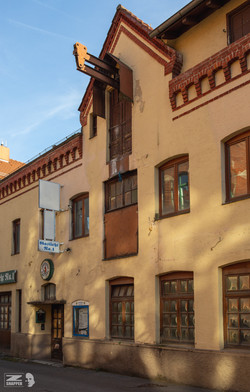
The town escaped heavy bombing during World War II, which means its historic core remains remarkably intact. Visitors are greeted with more than 200 half-timbered houses — some of the oldest in Germany. Wandering through the Altstadt (old town), you’ll pass by hidden courtyards, picturesque squares, and narrow alleyways that whisper stories of the past.
The town is also known for its imposing churches, such as St. Dionys and the Frauenkirche, whose Gothic spires dominate the skyline. The old town hall, with its astronomical clock and vibrant façade, stands as a centerpiece of civic pride.







Religious and Political Shifts
The Reformation in the 16th century deeply affected Esslingen, which became a Protestant stronghold. Later, during the Napoleonic era, the city lost its free status and was incorporated into the Kingdom of Württemberg in 1802. Despite this, Esslingen maintained much of its unique identity.
The Esslingen Castle Hill
For panoramic views, a short climb up to the Esslingen Castle (Burg) is a must. The vineyards surrounding the castle walls reflect the town’s centuries-old winemaking tradition. Today, locals and visitors alike gather here for leisurely walks, wine festivals, and sunset picnics overlooking the rooftops of Esslingen.




A City of Wine and Markets
Esslingen has long been associated with wine, and its vineyards are among the oldest documented in Germany. Wine lovers can enjoy tours and tastings throughout the year, but the atmosphere truly comes alive during the Weinfeste (wine festivals).
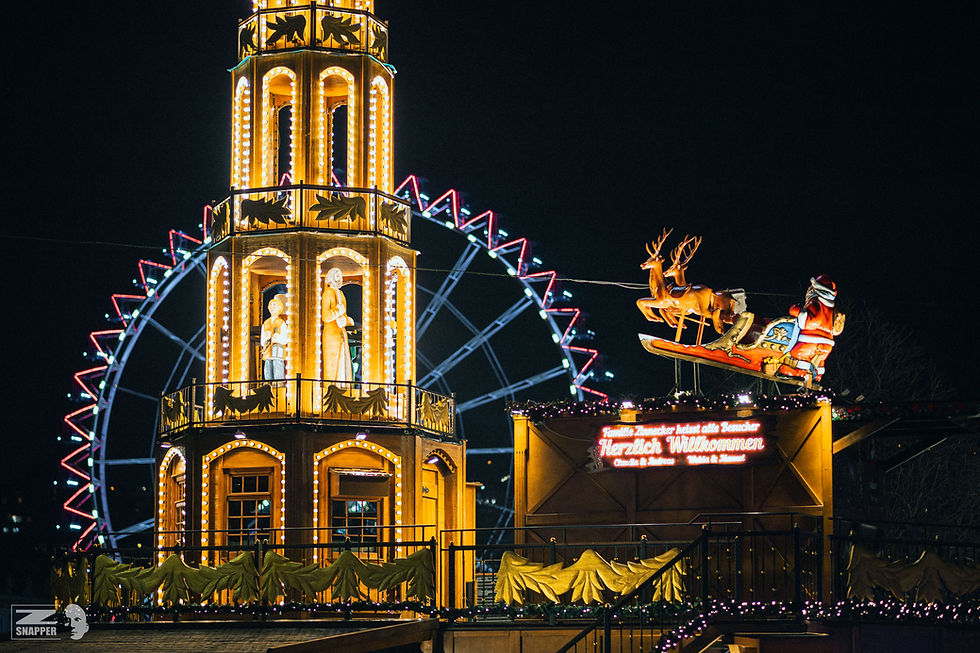
Another highlight is the Esslingen Medieval Christmas Market, one of the most unique in Germany. Unlike typical Christmas markets, Esslingen’s market recreates medieval life with artisans, performers, and merchants in historical costumes. It’s an immersive experience that attracts visitors from all over the world.


Where Tradition Meets Innovation
Despite its deep history, Esslingen isn’t stuck in the past. The town is home to modern industries, universities, and a thriving cultural scene. Its mix of old and new makes it not only a fascinating destination for tourists, but also a lively place to live and work.
Final Thoughts
Esslingen am Neckar is more than just a picturesque stop near Stuttgart — it’s a town where history and modern life weave seamlessly together. Whether you’re savoring a glass of local wine, climbing castle steps for sweeping views, or getting lost in medieval streets, Esslingen offers an experience that lingers long after you leave.


Comments